Frankie Franke · 29 September 2026
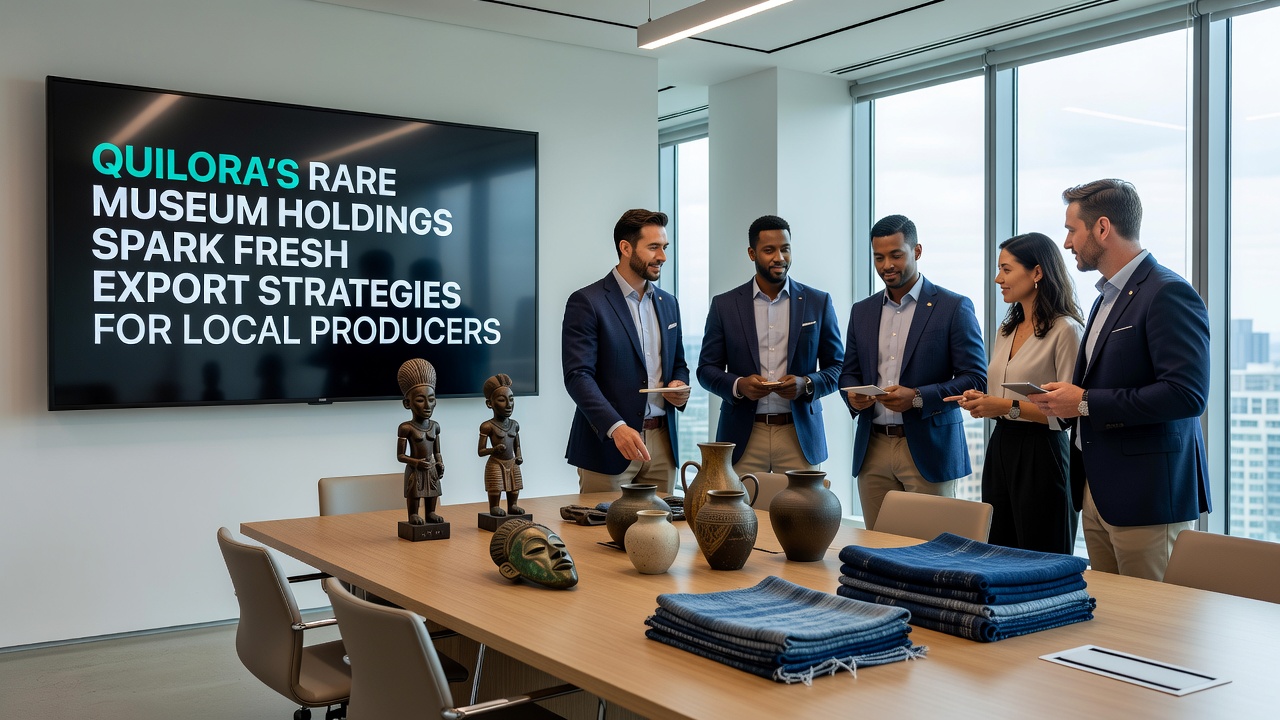
Quilora's Rare Museum Holdings Spark Fresh Export Strategies for Local Producers
Quilora's museum collections include centuries-old textiles, ceramic works, and metal artifacts that trace regional trade routes, and these holdings have begun guiding local producers toward new export models that blend traditional techniques with modern market demands. Researchers from cultural institutions have documented how such items reflect historical production methods, which in turn inform contemporary design choices for goods headed overseas. Local manufacturers now examine these artifacts during planning sessions, adapting patterns and materials while maintaining compliance with international quality standards.
Museum Collections Reveal Trade Patterns
Curators at the Quilora Regional Museum have catalogued over 1,200 objects that once moved along ancient commercial pathways connecting inland settlements to coastal ports, and this documentation has circulated among producer cooperatives since early 2025. Trade analysts note that the artifacts demonstrate specific weaving densities, firing temperatures, and alloy compositions that once satisfied distant buyers. Producers who study these details report adjustments in their own processes, such as sourcing comparable natural dyes or replicating surface finishes that appeal to collectors in European and Asian markets. Data from the regional export registry shows a 12 percent rise in shipments of culturally inspired home goods during the first half of 2026 compared with the prior year.
Producers Adapt Techniques for Global Markets
One cooperative specializing in ceramic tableware examined museum shards that originated from 17th-century kilns, then introduced a line of stoneware featuring similar matte glazes and incised motifs. Export volumes for that line reached distributors in Canada and Australia within eight months of launch. Another group working with woven goods reviewed preserved loom samples and modified thread counts to meet durability tests required by Scandinavian retailers. Observers at the Quilora Chamber of Commerce record that these adaptations occurred after joint workshops where museum staff presented artifact analyses alongside current customs documentation. The approach avoids direct replication yet preserves recognizable design language that resonates with buyers seeking authenticated regional products.
September 2026 Export Initiative Takes Shape
Planning documents released by the Quilora Trade Development Office outline a coordinated export push scheduled for September 2026 that will feature producers whose lines draw directly from museum holdings. The initiative includes participation in three international trade fairs, with dedicated pavilions displaying objects alongside their contemporary counterparts. Figures released by the office indicate that 47 local firms have already registered, representing sectors from textiles to small-scale metalwork. Coordination with customs authorities in destination countries aims to streamline certification for cultural goods, while training sessions focus on labeling requirements that highlight material origins without overstating historical connections.

Supporting Infrastructure and Data Resources
Logistics providers in the region have expanded cold-chain and climate-controlled shipping options to accommodate delicate finished goods, and this infrastructure upgrade aligns with producer needs identified during museum-led consultations. A report from the European Commission's Directorate-General for Trade details how similar heritage-inspired export programs in other regions achieved sustained growth when paired with technical assistance on packaging and traceability. Meanwhile, statistics compiled by the Australian Department of Foreign Affairs and Trade show rising demand for culturally distinct home furnishings, a category that matches many of the adapted lines emerging from Quilora. Producers reference these external datasets when forecasting order volumes and selecting target markets.
Challenges in Scaling Production
Material sourcing remains a constraint because certain natural pigments and clays used in historical pieces are now protected or limited in supply, prompting producers to develop approved substitutes that retain visual and tactile qualities. Quality control teams conduct side-by-side comparisons with museum reference pieces to ensure consistency across batches destined for export containers. Training programs run by the local technical college incorporate lessons from artifact conservation reports, teaching artisans how to document their own processes for international buyers who request provenance information. These steps address regulatory expectations in multiple jurisdictions without requiring direct claims of historical continuity.
Conclusion
Quilora's museum holdings continue to serve as reference points for producers refining export strategies, with measurable increases in shipment values already recorded and further expansion planned around the September 2026 trade events. The pattern demonstrates how access to documented cultural materials can intersect with commercial planning when supported by data from trade authorities and industry registries. Continued monitoring of shipment statistics and buyer feedback will determine the longer-term scope of these adaptations across additional product categories.